





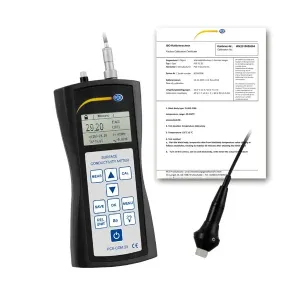
Conductivity Meters for Water Testing
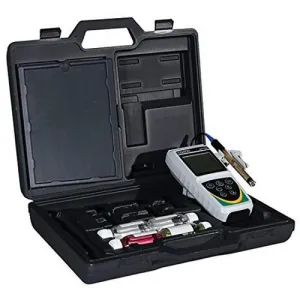
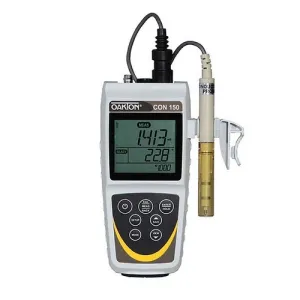
A conductivity meter measures how readily a water sample carries an electric current, a quick indicator of dissolved salts and ionic contamination. This category covers pocket testers, handheld and benchtop meters, waterproof field instruments and combination models that also report TDS or pH, from Azzota, PCE Instruments, Oakton, Extech and other manufacturers. Choose the measuring range for your samples first, then compare probes and features on each product page.
EC Meter Applications
An EC meter checks rinse water, cooling tower and boiler water, reverse osmosis and deionized water systems, hydroponic nutrient solutions and environmental samples, often as a fast screening step before detailed analysis. Labs use benchtop units for documented results, while technicians carry portable meters to tanks, wells and treatment skids. For broader testing, dedicated TDS meters and multi-parameter water quality meters extend the same workflow.
Conductivity Meter Types and Features
Format and probe design decide where an instrument works best.
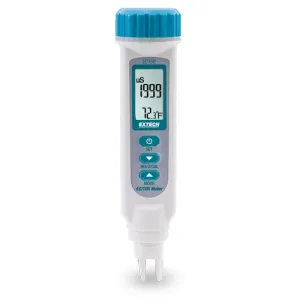
- Pocket testers: pen-style units for quick spot checks, usually with a fixed electrode.
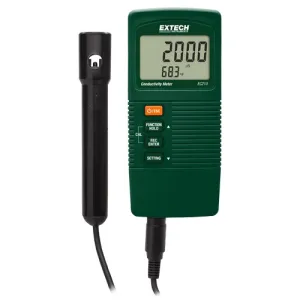
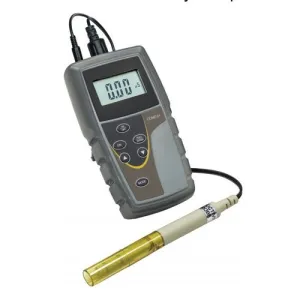
- Portable meters: handheld instruments with a cable probe, wider ranges and memory for field rounds.
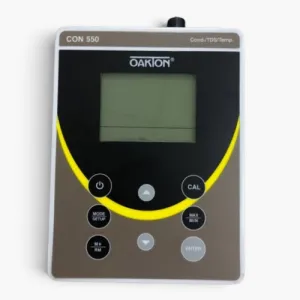
- Benchtop meters: lab instruments with larger displays, data output and support for several probe types.
- Waterproof models: sealed housings that survive splashes and drops at tanks and outdoor sites.
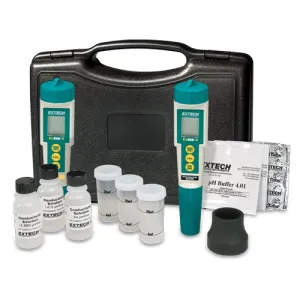
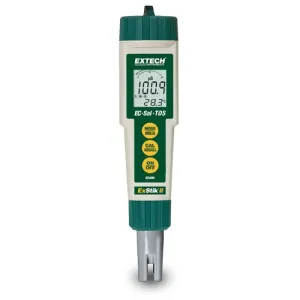
- Combination meters: instruments that add TDS or pH to conductivity, an alternative to separate pH meters.
How to Choose a Conductivity Meter
The water you test sets most of the requirements, so check these points first.
- Measuring range, from purified water to brines.
- Probe cell constant matched to that range.
- Automatic temperature compensation for stable readings.
- Calibration points the electrical conductivity meter accepts and the standards it needs.
- Data logging or USB output if results go into records.
Why Buy a Conductivity Meter from Selectum Store Corp
Selectum Store Corp carries Azzota waterproof pen meters, Oakton handheld and benchtop meter kits, PCE Instruments meters with pH, oxygen and redox electrodes, and Extech ExStik models. Each product name starts with the manufacturer part number, which makes replacement probes and meters easy to match. Free shipping is marked on qualifying items.
Frequently Asked Questions
How often should an EC meter be calibrated?
Calibrate before each measurement session for critical work, and on a regular schedule for routine testing, using a standard close to the values you expect in your samples. Recalibrate after cleaning or replacing the probe and whenever a check standard reads outside your tolerance. Your quality procedure may set a stricter schedule.
Why does temperature change conductivity meter readings?
Ions move faster in warm water, so conductivity rises as the sample warms even when its composition stays the same. Meters with automatic temperature compensation measure the sample temperature and report the value at a reference temperature, which lets readings taken at different times and places be compared fairly.
What is the difference between conductivity and TDS?
Conductivity is the measured value, expressed in microsiemens or millisiemens per centimeter. TDS, total dissolved solids, is an estimate calculated from conductivity with a conversion factor that depends on which salts are present. Combination meters show both, but for accurate TDS the factor must suit your water type.
How should a conductivity meter probe be stored?
Rinse it with deionized water after each use and store it as the manufacturer specifies. Many conductivity cells can be stored dry, but combination probes with a pH or redox electrode must stay wet in storage solution. Clean off oil or scale with a mild detergent or the recommended cleaning solution, never with abrasives, since deposits on the electrodes shift the reading.