
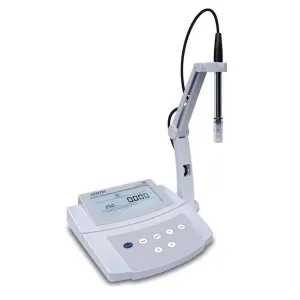
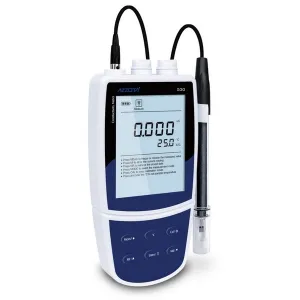
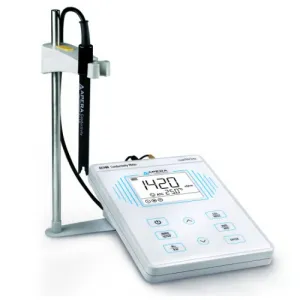
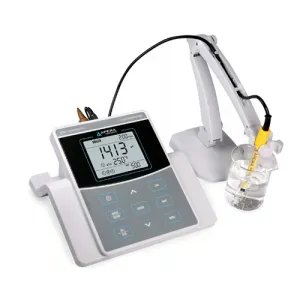
TDS Meters
Find the ideal combination of reliability and performance with our TDS Meters, exclusively at Selectum. TDS meters offer accurate measurement of dissolved solids, conductivity, and ppm levels in water sources. Whether you're upgrading your facility, expanding operations, or replacing an aging meter, tds meters enhance efficiency and reliability. With our curated selection featuring trusted brands including HM Digital, Apera Instruments, Ohaus, and Azzota, Selectum ensures you get both performance and value with convenient delivery and dedicated technical support. Explore our catalog to find the right tds meters for your needs.
Applications and uses for digital tds meter
TDS Meters provide precise and reliable readings essential for water quality testing. Accurate measurement of total dissolved solids helps monitor drinking water, pools, aquariums, hydroponics systems, and laboratory samples. These products are widely used across industrial, commercial, and laboratory settings. Their versatility allows them to serve various operational needs while integrating with existing systems and workflows.
Products in this category
This category offers a range of options to suit your operational requirements:
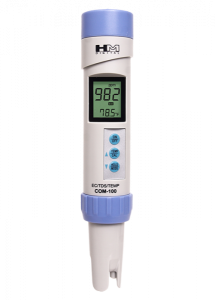
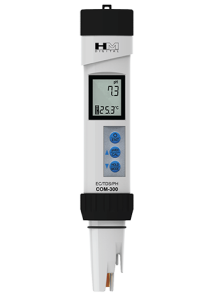
- Handheld and pen-style TDS meters for portable water quality testing
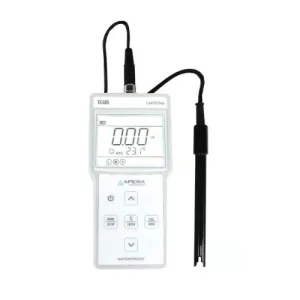
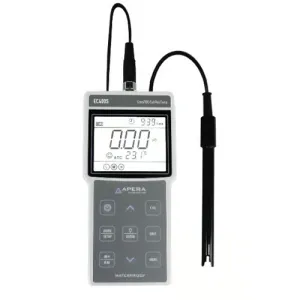
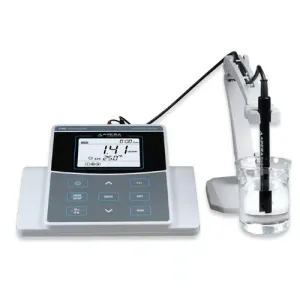
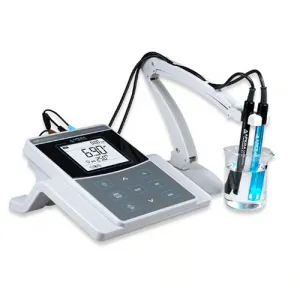
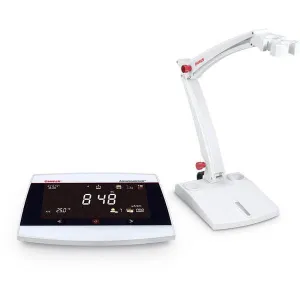
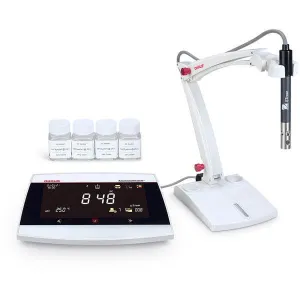
- Benchtop conductivity/TDS meters for laboratory use
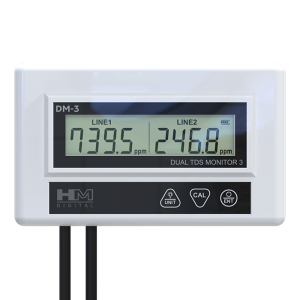
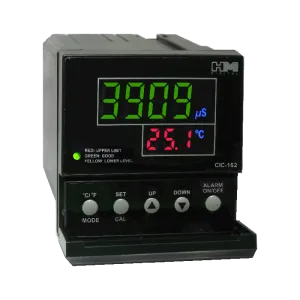
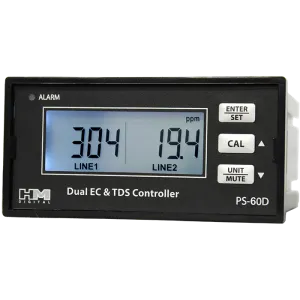
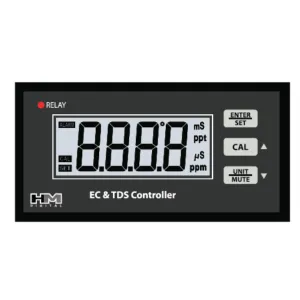
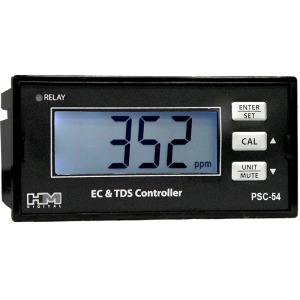
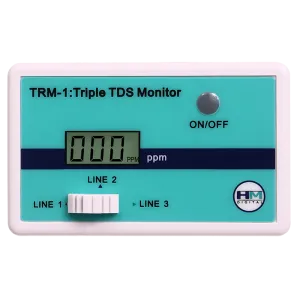
- Inline TDS monitors and controllers for continuous readouts at tanks and RO systems
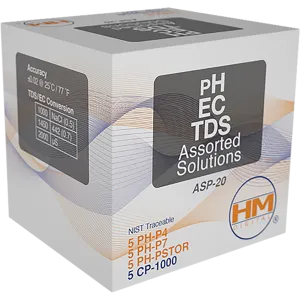
- Calibration solutions and accessories for accurate meter maintenance
- Products from HM Digital, Apera Instruments, Ohaus, and Azzota
Materials, durability and performance
Our TDS Meters are built for reliable day-to-day use in lab and field conditions. Many models feature waterproof housing for wet environments, and probe designs suited for repeated sampling. Designed with longevity in mind, they offer dependable service and support efficient operations over time with the precision expected from a digital tds meter.
Specifications and selection guide
Choosing the right TDS Meters means considering your operational requirements and application specifics. Our TDS Meters at Selectum Store Corp are engineered to meet industry standards and provide reliable performance across various conditions. When selecting products, evaluate your specific needs including measurement range, probe type, and whether you need portable, benchtop, or inline monitoring. Our catalog offers a wide selection to help you find the right fit with ppm meter features.
Complete your setup
Enhance your operations by pairing TDS Meters with complementary items from our related categories such as pH meters and water quality meters. Combining these components creates an efficient and reliable system suitable for demanding applications, helping you maintain operational efficiency and quality compliance.
Frequently Asked Questions
What is a TDS meter and what does it measure?
A TDS meter (total dissolved solids meter) reads water's conductivity (µS/cm) and, using a conversion factor (typically 0.5–0.7), estimates dissolved minerals in ppm or mg/L. It shows total load, not which ions are present.
What is a good TDS level for drinking water?
With a water TDS meter, ≲300 ppm usually tastes clean; 300–500 ppm is often acceptable; above ~500 ppm many users notice scale or off-flavor. Suitability also depends on the actual ions. For complete water analysis, combine with pH meters and water quality meters.
How do you calibrate a TDS meter properly?
Rinse with DI water, blot dry, immerse the TDS tester in a fresh 342-ppm NaCl standard at room temperature, wait for a stable value, then adjust the reading to the standard. Recheck after major temperature changes. Use certified calibration weights and standards for accurate results.
How should a TDS meter be cleaned and stored?
After testing, rinse the probe with DI water, shake off, cap it, and store tds meters cool and dry, away from sunlight. Don't leave the sensor soaking in solutions. Calibrate on a regular schedule.
Why shop tds meter at Selectum Store Corp
Shopping for TDS Meters at Selectum Store Corp means investing in quality, reliability, and convenience. Our catalog features trusted brands including HM Digital, Apera Instruments, Ohaus, and Azzota with proven equipment that meets rigorous standards. Alongside competitive prices and a seamless ordering experience, we offer knowledgeable technical support and flexible delivery options. Browse our tds meters selection at Selectum Store Corp and optimize your operations today.