
Deburring Tools for Machined and Fabricated Parts
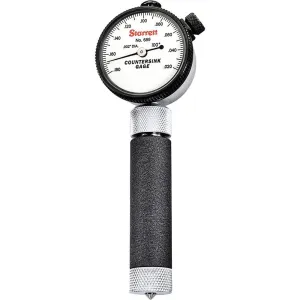
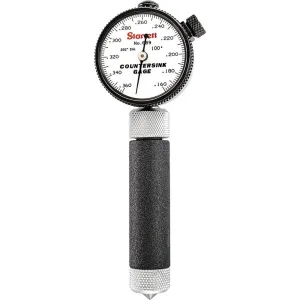
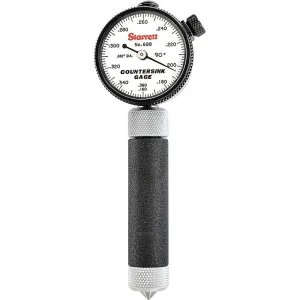
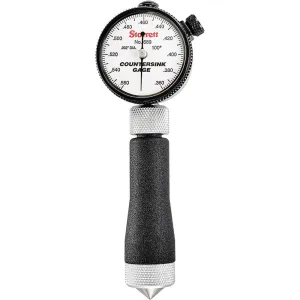
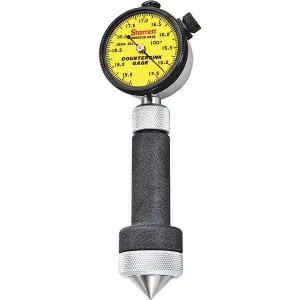
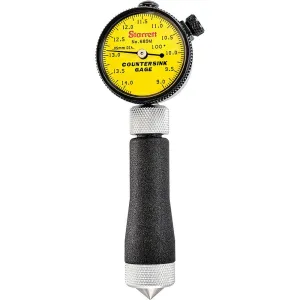
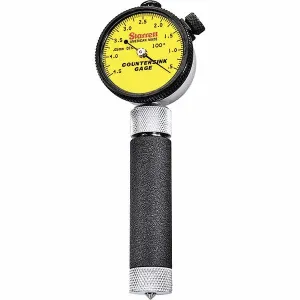
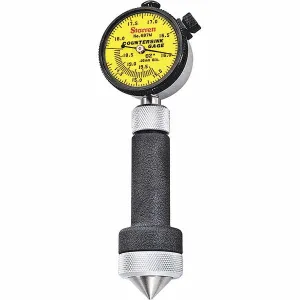
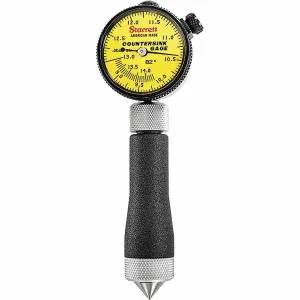
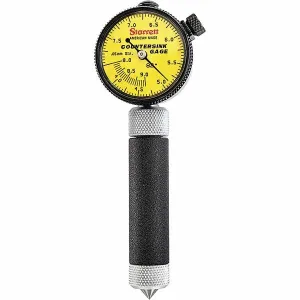
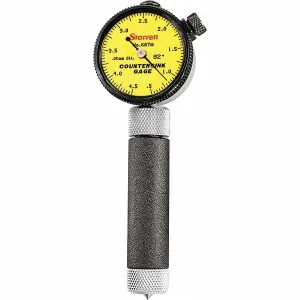
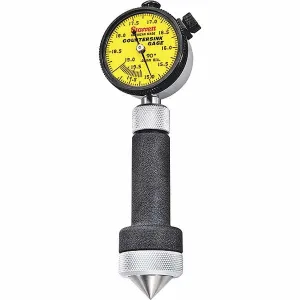
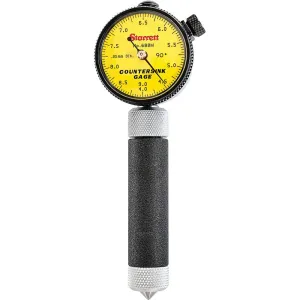
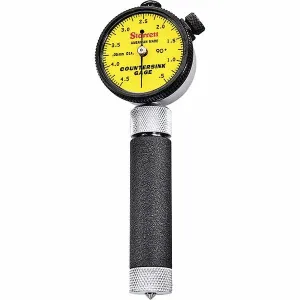
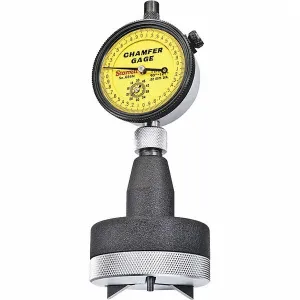
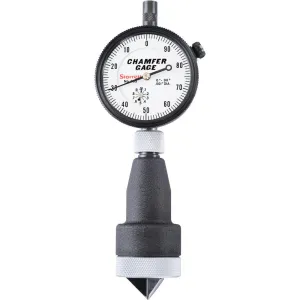
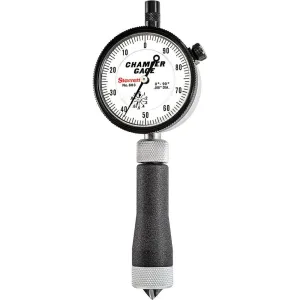
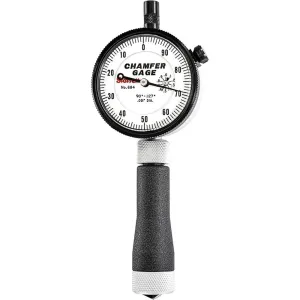
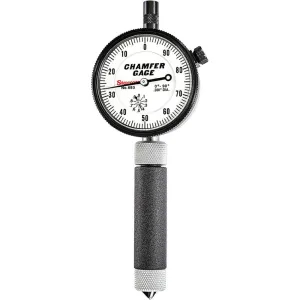
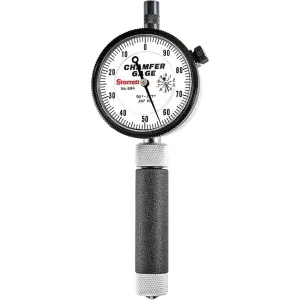
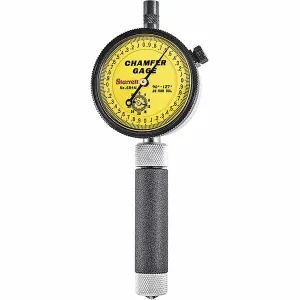
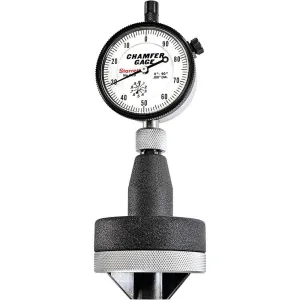
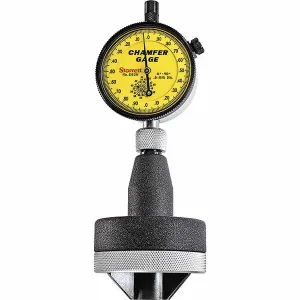
A deburring tool removes the sharp ridge of material left on edges and holes after drilling, milling, cutting or grinding. This category centers on carbide and high-speed steel rotary burrs for die grinders and flexible-shaft tools, alongside hand deburring tools with replaceable blades and the countersink gages used to check finished hole edges, from Martindale, Starrett, Fowler and other manufacturers. Pick the head shape and cut for the material, then check the shank size against your grinder.
Deburr Tool Applications
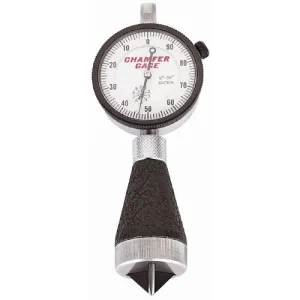
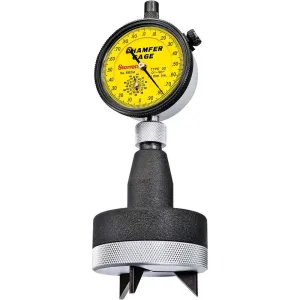
A deburr tool cleans up drilled and tapped holes, sheared and laser-cut edges, weld seams and castings so parts fit, seal and handle safely. In a die grinder, a carbide burr also shapes, ports and blends metal, removes weld spatter and enlarges openings on steel, stainless steel, cast iron, aluminum and other alloys. Hand tools take over on small batches and delicate edges where a power tool would remove too much. Inspectors then confirm countersink and chamfer dimensions with gages before parts move on.
Burr Shapes, Cuts and Hand Tools
Head shape decides which geometry a cutter reaches, and the cutter material decides what it can cut.
- Cylinder and oval burrs: work flat surfaces, slots and inside corners.
- Ball, tree and flame burrs: reach concave radii, contours and blended transitions.
- Cone and countersink shapes: chamfer and deburr hole entries at a set angle.
- Carbide and high-speed steel burrs: carbide holds its edge on hardened steel, stainless and cast iron, while high-speed steel is a lower-cost choice for softer metals and plastics.
- Hand deburring tools: swivel blades and scrapers trace hole edges and contours by hand, with replacement blades for steel, aluminum or plastic.
How to Choose a Deburring Tool
Match the cutter to the material and the edge first, then to the grinder.
- Workpiece material, since deburring tools for metal differ in cut from those for plastics.
- Head shape for the edge or contour.
- Shank diameter that fits the collet of your grinder.
- Head and overall length for the reach required.
- Maximum rated speed of the burr compared with the grinder speed.
Why Buy Deburring Tools from Selectum Store Corp
Selectum Store Corp carries Martindale solid carbide and high-speed steel rotary burrs in cylinder, ball, tree, cone and oval shapes, Starrett countersink gages, and Fowler hand deburring cutters with replacement blades for steel, aluminum and plastic. Each product name starts with the manufacturer part number, so a worn cutter can be replaced with the same shape and size. Free shipping is marked on qualifying items.
Frequently Asked Questions
What speed should a carbide burr run at?
Speed depends on the burr diameter and the material: smaller heads run faster, larger heads slower, and hard metals generally need lower speeds than aluminum or plastics. Never exceed the maximum speed marked by the burr manufacturer, and use the grinder's variable speed setting to find the point where the cutter removes material without chatter.
Can carbide burrs be used on aluminum?
Yes, but soft metals can load the flutes and stop the cutting action. Choose an aluminum-cut pattern with wide flutes, apply a stick lubricant or wax to the burr, and keep light, steady pressure. Clean clogged flutes before they overheat the cutter, and reserve that burr for non-ferrous work.
How can I make a deburring tool last longer?
Let the cutter do the work with light pressure, keep it moving to avoid heat build-up, and run it within the recommended speed range. Avoid bottoming the head in a hole or using the shank as a lever. A chipped or dull deburr tool cuts slowly and leaves a rough edge, so replace it before it damages parts.