
Frequently Asked Questions
What is the difference between ANSI danger and caution signs?
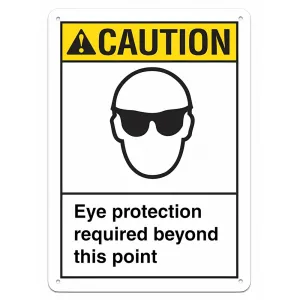
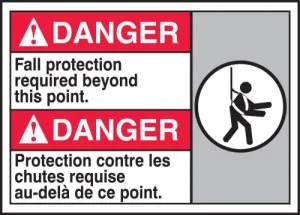
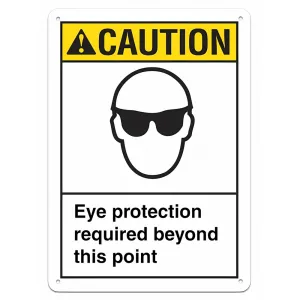
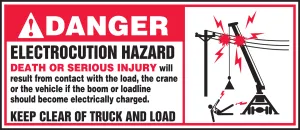
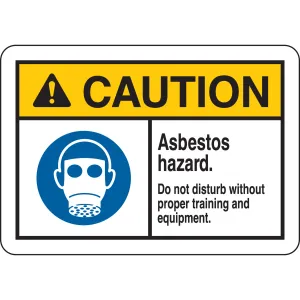
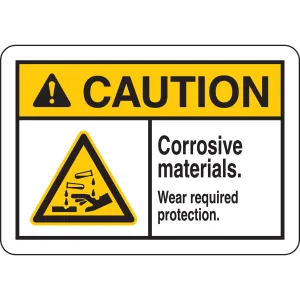
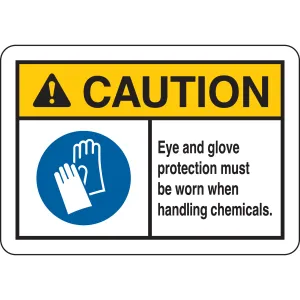
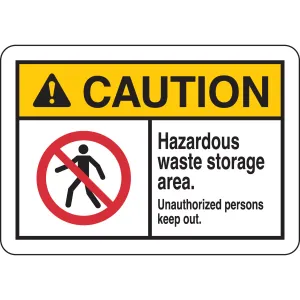
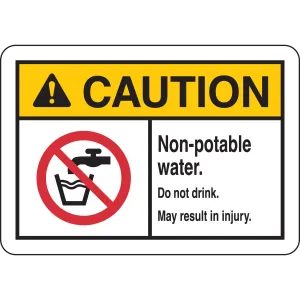
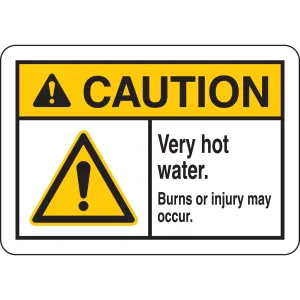
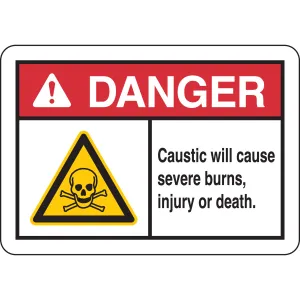
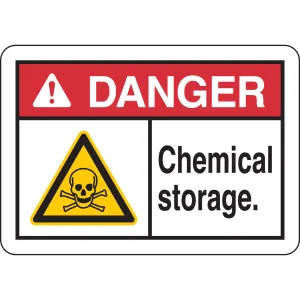
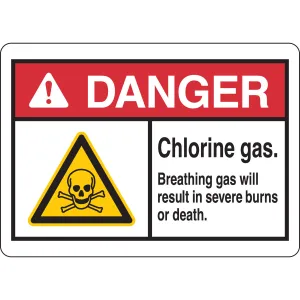
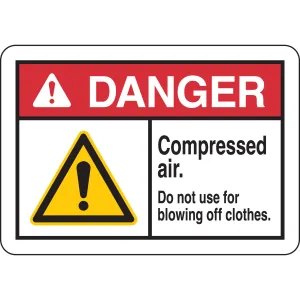
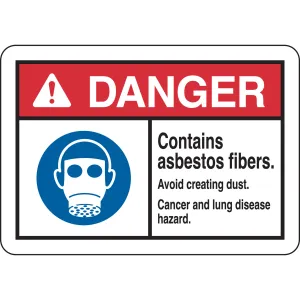
ANSI danger signs indicate hazards that will result in death or serious injury if not avoided – reserved for the most extreme situations. ANSI caution signs warn of hazards that may result in minor or moderate injury. ANSI safety signs follow color-coded standards: red for danger, orange for warning, yellow for caution. Each ANSI sign communicates specific hazard severity levels.
Are ANSI signs required by law?
While ANSI signs are voluntary standards, OSHA has largely adopted ANSI Z535 standards for safety signage, making them effectively required in many workplaces. ANSI safety signs provide uniform visual communication recognized across industries. An ANSI sign following these standards demonstrates compliance and helps protect workers. ANSI danger signs and ANSI caution sign formats are widely accepted benchmarks.
How do I choose the right ANSI sign for my workplace?
Choose ANSI signs based on hazard severity assessment. Use ANSI danger signs when ignoring the hazard will result in serious injury. Select ANSI caution sign options for less severe risks. Complement your ANSI safety signs with housekeeping signs for comprehensive workplace safety. Consider durability when selecting your ANSI sign materials.