






Temperature Sensors for Process and Lab Monitoring
A temperature sensor turns heat at a measuring point into a signal that a controller, display or monitoring system can read. This category covers thermocouple and RTD probes, compact process sensors with built-in electronics, infrared sensors for non-contact measurement, wireless monitors, and the cables, connectors and evaluation units that complete a measuring loop, from IFM, Ace Glass, Monnit, NOVUS and other manufacturers. It sits within the wider sensors range. Start with the medium and the receiving device, then compare details on each product page.
Industrial Temperature Sensor Applications
An industrial temperature sensor typically watches a pipe, tank, oven, cooling circuit or machine bearing and reports to a PLC or controller that switches heating, cooling or an alarm. In labs, thermocouple probes sit in reaction flasks and heating baths to follow a run, while wireless monitors keep a record in cold rooms, freezers and equipment rooms without new wiring. When an existing point is replaced, buyers usually match the sensing element, the process connection and the electrical connector of the old unit.
Sensor Types, Signals and Accessories
The sensing element sets the measuring range and stability, while the housing and output decide how a temperature sensor fits into the system.
- Thermocouple sensor: two joined metals generate a small voltage, giving wide ranges and fast response; the thermocouple type must match the instrument input.
- RTD probes: a platinum element changes resistance with temperature, giving stable, repeatable readings for process control.
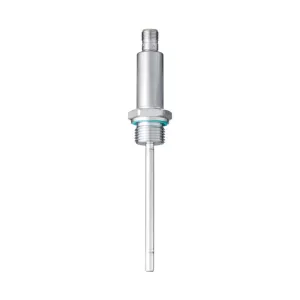
- Compact process sensors: threaded units with integrated electronics deliver an analog, switching or IO-Link signal straight to a PLC.
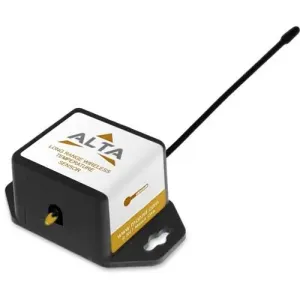
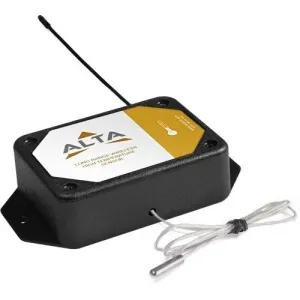
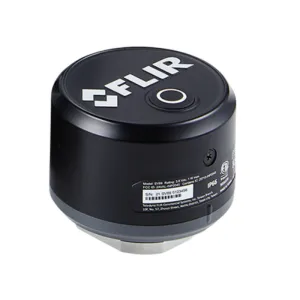
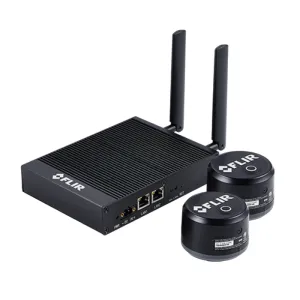
- Wireless sensors: battery-powered units send readings to a gateway or online dashboard where cable runs are impractical.
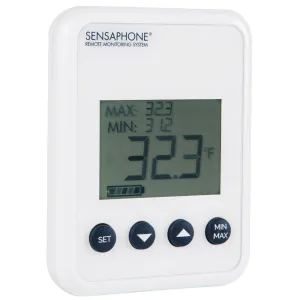
- Cables, connectors and evaluation units: extension leads, plug connectors and display units link the probe to the control system.
Output Signal and Wiring
The output decides what a temperature sensor can connect to. A bare thermocouple or RTD needs an instrument that accepts that element directly, so many systems add process transmitters that convert the reading into a standard current or voltage for long cable runs. Units with integrated electronics skip that step and wire straight to a PLC input. For closed-loop heating or cooling the signal goes to temperature controllers, and for records over time it can feed data loggers.
How to Choose a Temperature Sensor
Begin with the process conditions and the device that will read the signal.
- Temperature range of the process, including peaks.
- Sensing element and the input type of the receiving instrument.
- Process connection, insertion length and probe diameter.
- Output: element only, analog signal, switching output or wireless.
- Housing and cable materials for moisture, washdown or chemicals.
Why Buy Temperature Sensors from Selectum Store Corp
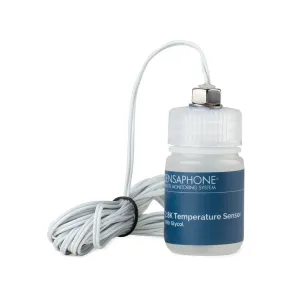
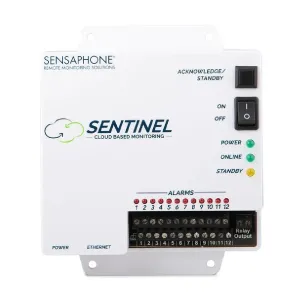
Selectum Store Corp offers IFM process sensors, transmitters, thermowells and connection cables, Ace Glass J-Kem thermocouple probes and temperature monitors for lab glassware, Monnit ALTA wireless sensors, and NOVUS Pt100 and J-type probes with bayonet fittings. Each product name starts with the manufacturer part number, which makes it easy to reorder an exact replacement. Free shipping is marked on qualifying items.
Frequently Asked Questions
Can I extend a thermocouple with standard copper wire?
No. Copper wire creates new junctions that add an error to the reading. Use thermocouple extension cable and connectors of the same type as the probe, and keep polarity consistent from the probe to the instrument. RTD and process sensors with an analog output can use ordinary instrument cable within the length the manufacturer allows.
How should an industrial temperature sensor be installed in a pipe or tank?
Pressurized or flowing process points usually use a thermowell, a closed tube that lets the sensor be removed without draining the line. Insert the tip far enough into the flow to avoid heat loss through the fitting, and use heat-transfer compound where the sensor maker recommends it. Route the cable away from motors and drives to limit electrical noise.
Do temperature sensors need calibration?
Elements drift with age, heat cycling and vibration, so critical points should be compared with a reference thermometer at intervals set by your quality procedure. Thermocouples tend to drift faster at high temperatures, while RTDs are more stable. Replace a sensor if its offset keeps growing or it cannot be corrected at the instrument.
Can wireless temperature sensors replace wired probes?
For monitoring and alarms, often yes: they suit cold storage, server rooms and remote equipment where readings are needed every few minutes rather than instantly. Fast closed-loop control still relies on wired sensors, because radio links add delay and depend on battery life and signal coverage. Many sites combine both.