






Industrial Hose for Air, Water and Gas Service
An industrial hose carries compressed air, water, fuel, industrial and medical gases or process fluids between a supply point and the equipment that uses it. This category spans self-storing coiled hose, straight nylon, polyurethane and rubber hose, flexible metal hose, gas hose, station drops and cryogenic transfer hose, and water, discharge and suction lines from Nycoil, Midland Industries, Western Enterprises, Midwest Control and other manufacturers. Start with the medium and the connections, then compare size and pressure rating on each product page.
Air Hose Applications
An air hose feeds impact wrenches, blow guns, spray guns and other pneumatic tools at workbenches, assembly stations and service bays, where length, weight and kink resistance decide how easy the tool is to handle. Beyond shop air, industrial hose moves cooling and washdown water, transfers fuel and oil, delivers oxygen, inert and fuel gases from pipeline outlets and cylinder manifolds, and carries engine exhaust or raw water on boats. Replacement buyers usually match the inside diameter, end fittings and pressure rating of the hose being retired.
Hose Materials and Constructions
The tube material and reinforcement set flexibility, weight and what each line can safely carry.
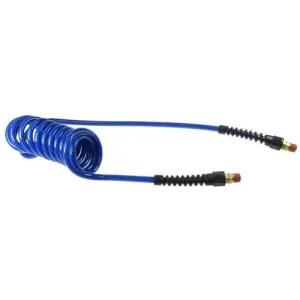
- Coiled air hose: nylon or polyurethane coils stretch to reach the tool and retract out of the way, keeping floors clear at workstations.
- Nylon and polyurethane hose: light, abrasion-resistant tubing for air lines, lubrication and instrument connections.
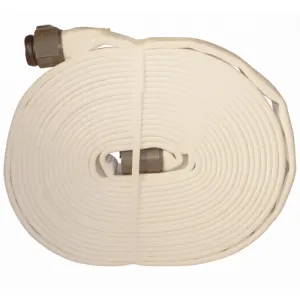
- Rubber hose: reinforced and flexible in cold weather, used for air, water, oil and general utility service.
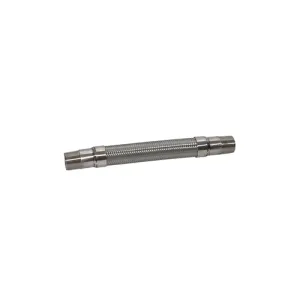
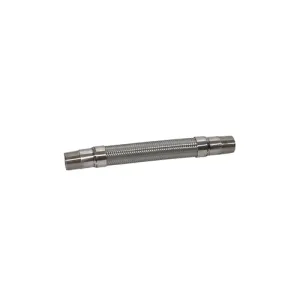
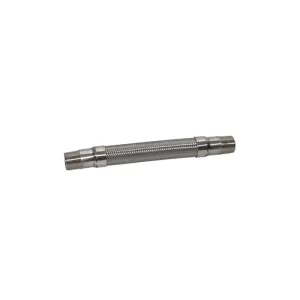
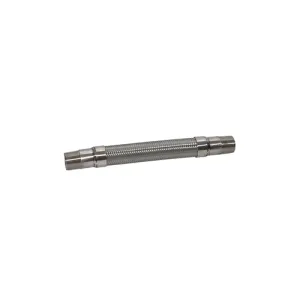
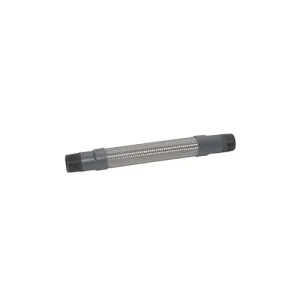
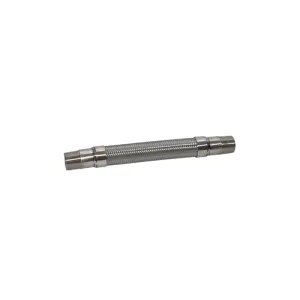
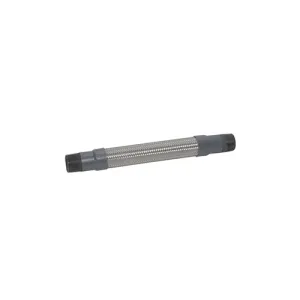
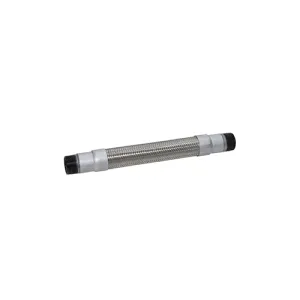
- Flexible metal hose: corrugated stainless steel with braid for heat, vibration and misalignment, also available as stainless steel flex hose.
- Gas hose and station drops: medical gas hose, gas outlet drops, stainless pigtails and cryogenic transfer hose, each built for a specific gas, not interchangeable with general-purpose hose.
Fittings and Connections
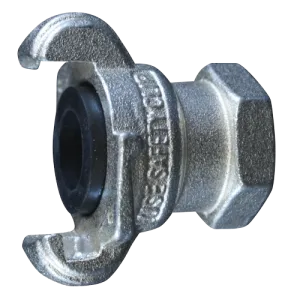
A hose is only as reliable as its ends. Air lines use quick-connect couplers and swivel fittings so tools change in seconds, while water, discharge and transfer lines often rely on cam and groove couplings that connect without tools; matching camlock fittings and other hose fittings and accessories are sold separately. Make sure thread form, coupler profile and barb size match on both ends, and that clamps or crimped ferrules suit the working pressure.
How to Choose an Industrial Hose
Work from the medium and the connection points toward the hose itself.
- Medium carried: air, water, fuel, gas or chemicals.
- Inside diameter and length for the flow and reach required.
- Working pressure and temperature range.
- Abrasion, oil and UV resistance for the work area.
- End fittings already in use on the supply and the equipment.
Why Buy Industrial Hose from Selectum Store Corp
Selectum Store Corp carries Nycoil self-storing nylon and polyurethane coils and Midland Industries rubber, PVC, layflat discharge, tank truck and marine exhaust hose. The range also includes Western Enterprises station drops, medical and cryogenic hose, Midwest Control flexible metal hose, and Dixon Valve hose and Whipchek safety cables. Each product name starts with the manufacturer part number, so an existing assembly is easy to reorder. Free shipping is marked on qualifying items.
Frequently Asked Questions
Is nylon or polyurethane better for compressed air lines?
Nylon is stiffer and holds a coil's shape, so self-storing nylon hose recoils strongly and suits tool stations, fixed runs and higher pressures, but it can kink if bent too tightly. Polyurethane is softer, stays flexible in the cold and resists kinking, which suits lines that are handled all day.
Can I use the same industrial hose for air and water?
Some hose is rated for both, but many lines built for air are not intended for continuous water service, and water can degrade certain inner tubes or rust fittings. Check that the medium, temperature and pressure appear in the manufacturer's rating before switching, and drain the line after use if it returns to air service.
How do I stop an industrial hose from kinking?
Respect the minimum bend radius, add a swivel at the tool end, and avoid pulling the hose around sharp corners. Coiled or self-storing designs keep slack off the floor, and storing straight lines on a reel or in loose loops prevents permanent set. A hose that keeps kinking in the same spot should be replaced.
When should an industrial hose be replaced?
Replace it when the cover is cracked or cut through to the reinforcement, when you see bulges, soft spots or leaks at the fittings, or when the hose has been crushed or kinked. Lines carrying gas, fuel or high pressure should also follow the inspection schedule in your maintenance plan, even if no damage is visible.