
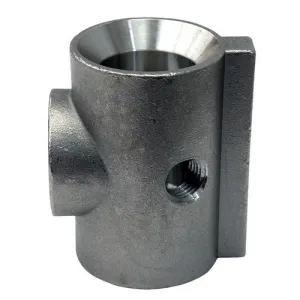
Ball Valves for Plumbing and Process Lines
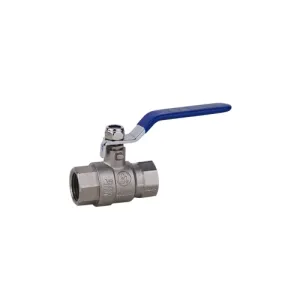
A ball valve opens and closes a line with a quarter turn of the handle, which makes it the usual choice for fast, tight shutoff on water, air, oil, gas and process piping. This category covers brass, bronze, carbon steel and stainless steel bodies, full and reduced port designs, two-piece and three-piece construction, multi-port valves and actuated packages from Jomar, Apollo, STC, Midwest Control and other manufacturers.
Brass Ball Valve Applications
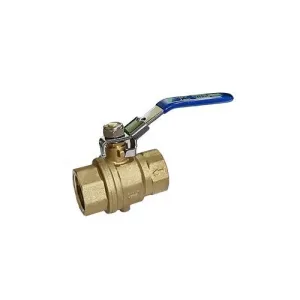
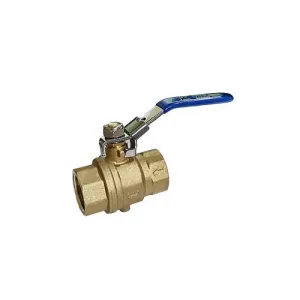
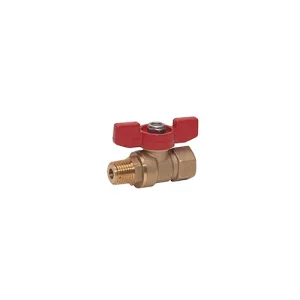
A brass ball valve is the everyday shutoff for compressed air drops, heating loops, fuel oil lines and gas lines where the valve is rated for gas service. In plants it isolates pumps, filters, regulators and meters so they can be serviced without draining the whole system, and it serves as a drain or vent point on tanks and headers. To keep a closed valve closed during maintenance, a ball valve lockout device fits over the handle.
Ball Valve Construction and Port Options
Body construction, bore and flow path change how a valve installs, services and flows.
- Two-piece valves: the body and end piece thread together, a compact and economical design for general service.
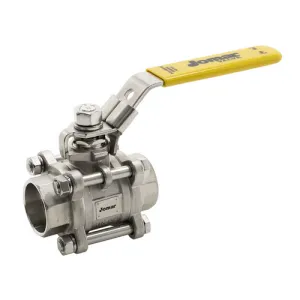
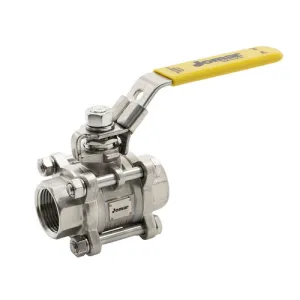
- Three-piece valves: the center section swings out between the end caps, so seats and seals can be replaced without cutting the pipe.
- Full port and reduced port: a full port bore matches the pipe size for minimal pressure drop, while a reduced port keeps the valve lighter where some restriction is acceptable.
- Three-way and multi-port valves: L-port or T-port balls divert or mix flow between lines with one handle.
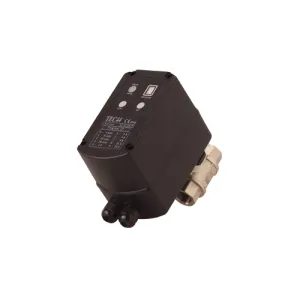
- Actuated valves: pneumatic or electric actuators open and close the valve from a control system.
Body Material and Seats
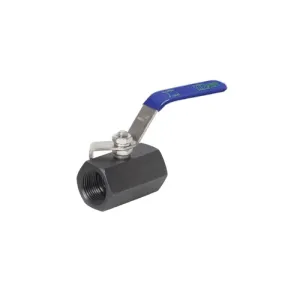
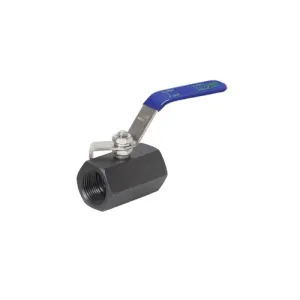
Material follows the fluid. Brass covers potable water, air, oil and fuel gas in most buildings, with lead-free brass specified for drinking water. Bronze resists dezincification in hot or aggressive water. Stainless steel suits corrosive chemicals, food and pharmaceutical lines and outdoor service, and steam with suitable seats, and carbon steel bodies handle high-pressure oil and hydraulic lines. Seats matter as much as the body: standard PTFE seats seal tightly at moderate temperatures, while reinforced or metal seats extend the temperature and pressure range.
How to Choose a Ball Valve
Start with the line conditions, then match the valve to the piping and to the way it will be operated.
- Fluid, pressure and temperature of the line.
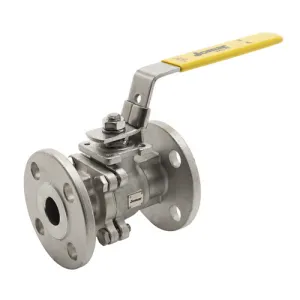
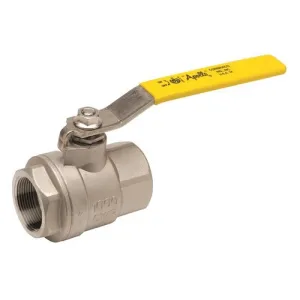
- Body material, including a stainless steel ball valve for corrosive or sanitary service.
- End connection: threaded, solder, press, flanged or tube fitting.
- Port size and number of ports.
- Lever, T-handle or actuator mounting pad, and a lockable handle if the valve is part of a lockout procedure.
Why Buy Ball Valves from Selectum Store Corp
Selectum Store Corp carries Jomar and Apollo valves in brass, bronze and stainless steel, STC electrically and air actuated valves, Midwest Control carbon steel high-pressure and auto-drain safety exhaust valves, Legris brass vented and locking-handle valves with NPT and BSPP threads, and Pro Flow Dynamics 304 and 316 stainless models. Each product name starts with the manufacturer part number. Free shipping is marked on qualifying items.
Frequently Asked Questions
What is a ball valve and how does it work?
Inside the body, a ball with a hole through it sits between two seats. A quarter turn lines the hole up with the pipe to open the flow, and another quarter turn turns it sideways so the seats seal against the solid side. Compared with multi-turn gate valves, it closes faster and shows its position at a glance from the handle.
How do I choose the right size and material for a ball valve?
Size the valve to the pipe and its end connection rather than to the flow alone, and choose full port where restriction or cleaning matters. A brass ball valve suits most water, air and, where rated, gas service; pairing it with brass fittings keeps the metals consistent. For drinking water, select lead-free models.
Where are ball valves commonly used in plumbing systems?
Common locations are the main water shutoff, water heater and boiler connections, branch isolation valves, fixture and appliance stops, irrigation zones and pump connections. They give quick, dependable isolation on hot and cold lines. Backflow, check and other specialty functions are covered in the wider range of plumbing valves.
Can a ball valve be used to throttle flow?
It is designed for fully open or fully closed service. Leaving it partly open sends high-velocity flow across the seats, which wears them and can cause leaks or chatter over time. For regular flow adjustment, a globe or needle valve, or a ball valve with a characterized V-port, is the better choice.