
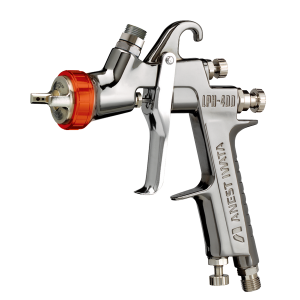

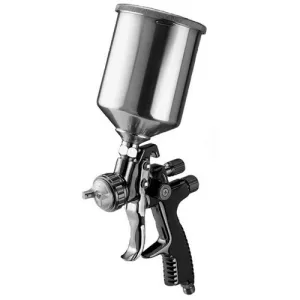
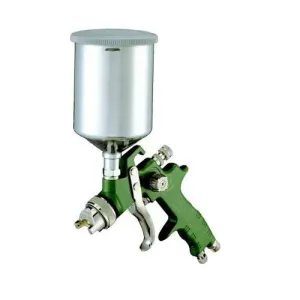
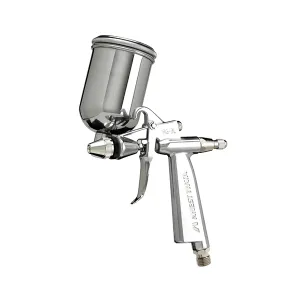
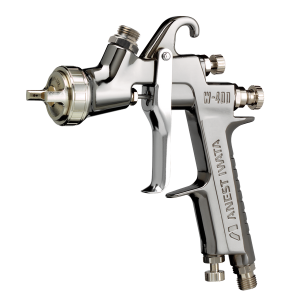
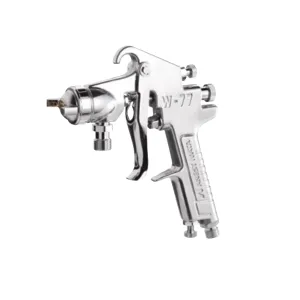
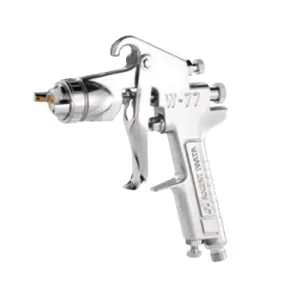

Paint Guns: Reliable Paint Guns for Every Application
Find the ideal combination of reliability and performance with our paint guns, exclusively at Selectum Store Corp. Paint guns offer smooth, even coating and consistent coverage for both industrial and home projects. Whether you're upgrading your facility, expanding operations, or replacing worn components, paint guns from Selectum Store Corp enhance efficiency and reliability. With our curated selection featuring industry-leading brands and proven quality, Selectum Store Corp ensures you get both performance and value with convenient delivery and dedicated technical support. Explore our catalog to find the right paint guns for your needs.
Applications and uses for Spray Guns
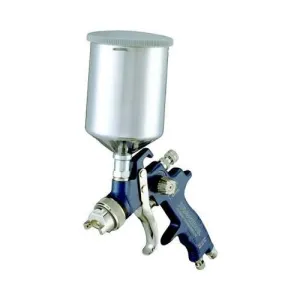
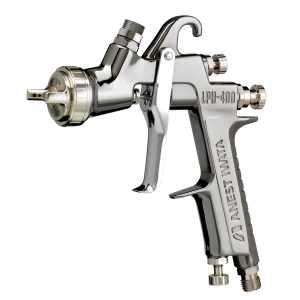
Spray guns deliver precise application and uniform finish, making them highly valuable in automotive refinish shops, furniture manufacturing, and construction. This equipment streamlines coating large surfaces, reduces material waste, and improves productivity. Spray guns are essential for automotive assembly, cabinetry, and metal fabrication, offering flexibility for industrial-scale projects as well as smaller tasks. Their compatibility allows for seamless integration with existing air compressors, paint supply systems, and ventilation setups.
Products in this category
This category offers a range of options to suit your operational requirements:
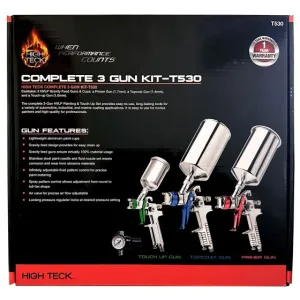
- High-volume, low-pressure (HVLP) models designed for excellent material transfer
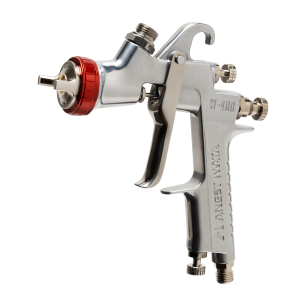
- Conventional spray guns for robust coverage
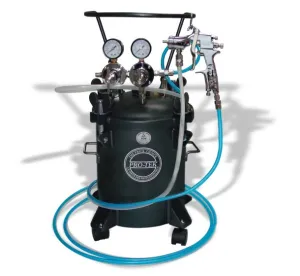
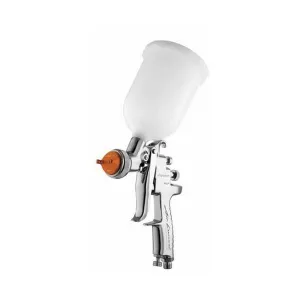
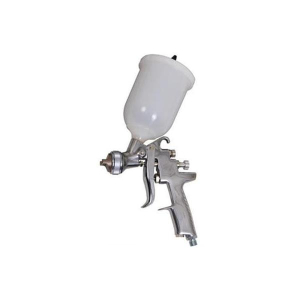
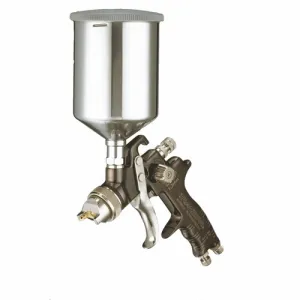
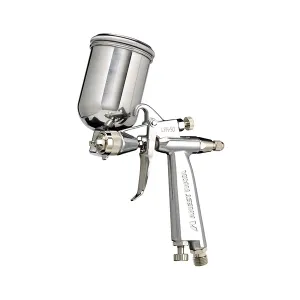
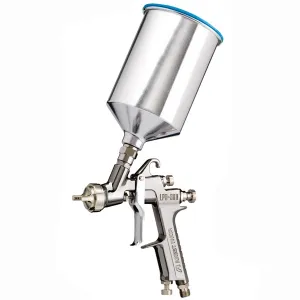
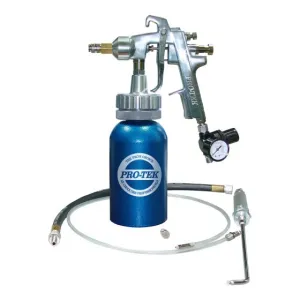
- Gravity-feed and siphon-feed types for varied application techniques
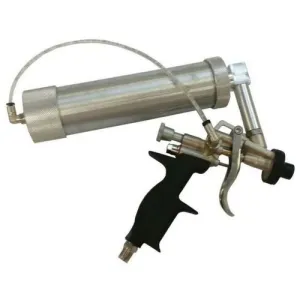
- Compact detail guns for precision work
- Adjustable nozzle configurations for diverse spray patterns and finishes
- Models featuring easy-to-clean designs and corrosion-resistant finishes
- Options offering competitive paint sprayer price for cost efficiency
Materials, durability and performance
Our paint guns are engineered with high-grade stainless steel and reinforced polymers for lasting durability. These robust materials ensure resistance to corrosion and prolonged operational life under continuous use. The construction supports reliable spray consistency and high efficiency in challenging industrial settings. Spray guns deliver reliable performance in environments where precision, speed, and repeated cleaning are required.
Specifications and selection guide
Choosing the right paint guns means considering your operational requirements and application specifics. Presented spray equipment is engineered to meet industry standards and provide reliable results across various conditions. Selectum's product range offers different spray patterns, pressure ratings, and maintenance needs, so assess your workflow demands and compatibility with current systems. Review paint sprayer price options based on required output and frequency to make the best choice for your project.
Frequently Asked Questions About Paint Guns
What are the primary differences between HVLP and conventional spray guns?
HVLP models use lower pressure for finer atomization and less overspray, while conventional spray guns provide faster coverage but higher paint consumption.
Are Selectum paint guns suitable for water-based and solvent-based finishes?
Yes, our catalog includes models compatible with both water-based and solvent-based coatings for a range of applications.
What maintenance is required for paint guns?
Routine cleaning and periodic inspection of seals and nozzles ensure optimal performance and longevity.
Why shop Paint Guns at Selectum Store Corp
Shopping for paint guns at Selectum Store Corp means investing in quality, reliability, and convenience. Our expertly curated catalog ensures you have access to industry-leading brands and proven equipment that meets rigorous standards. Whether you're outfitting a new facility or maintaining existing operations, browse our paint guns selection at Selectum Store Corp and optimize your operations today.
Frequently Asked Questions
What’s the difference between HVLP and conventional spray guns?
HVLP uses high air volume at low pressure, so transfer efficiency is higher and overspray is lower. Conventional runs at higher pressure give finer atomization and work faster, but waste more material. Both spray guns fit different jobs.
What air pressure should I use with an HVLP spray gun?
Most HVLP caps are limited to 10 psi. Inlet pressure is usually 15–30 psi, depending on the model and coating. Set it by the test pattern until the fan is even and the tails are gone on your paint spray guns.
What size air compressor do I need for a spray gun?
Match CFM to the tool. HVLP often needs about 7–13 CFM at around 40 psi, while LVLP can run at 3–7 CFM. A 20–60-gal tank helps with a steady flow. Check the gun datasheet before choosing a paint sprayer.
How do I choose the correct nozzle/tip size for my coating?
Use viscosity as the guide. 1.2–1.4 mm for base or clear, 1.4–1.6 mm for single stage, 1.7–2.2 mm for primers and high build. Confirm on a test panel, then fine-tune the flow and fan on the paint guns.
How do I clean and maintain a spray gun to prevent clogs and poor patterns?
Flush with the right solvent or waterborne cleaner, remove cup tip and needle, brush the passages, strain coatings, and oil packings lightly. Prompt cleaning keeps spray guns consistent. Use dedicated spray gun cleaning kits for best results.